Building confidence is about gradually developing trust in yourself and your abilities. It starts by setting small, achievable goals and celebrating each accomplishment, which reinforces a positive self-image. Confidence grows through practice and persistence, as taking action—even when you’re uncertain—builds resilience and reduces fear of failure. Surrounding yourself with supportive people and focusing on your strengths can also help reinforce a confident mindset. Over time, as you overcome challenges and gain experience, you begin to see yourself as capable and competent, further fuelling your confidence.
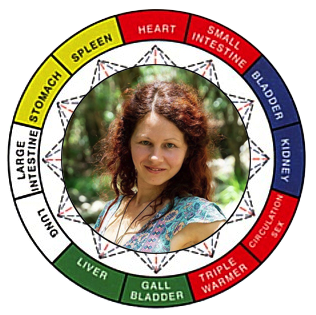
Kinesiology is an incredibly beneficial field that focuses on understanding and improving human movement, physical health, and overall well-being. It combines anatomy, physiology, biomechanics, and psychology to help individuals achieve their physical potential, let go of past trauma & grief, recover from pain and injuries and prevent future ones. Kinesiology monitors the muscle response as an indication of energy flow and to identify imbalances in the body and then balancing this, which will result in improved function of the whole system. Each muscle is linked to a specific meridian and oran system. It is based off the acupuncture meridian system in Chinese medicine.
Trauma can keep you stuck in a loop of repeating patterns and cycles, constantly feeling overwhelmed in hyper vigilant fight/flight or freeze responses can make it difficult to step out and can result in fear, anxiety, avoidance and self sabotage. Kinesiology can help diffuse the emotional charge or reaction to certain triggers associated with the trauma.


Kinesiology can be helpful for:
Physical Pain


Stress & Anxiety



Trauma & Grief
Self Limiting Beliefs
Emotional Blockages
Building Confidence
Determining Food Allergies
For more information or to make a booking contact:
Chantelle Medjumurac
Email: chantelle.cavour@gmail.com
Facebook: Essence Kinesiology
Self-limiting beliefs are the internal convictions we hold that restrict our potential, often rooted in past experiences, fear of failure, or societal expectations. These beliefs act as mental barriers, convincing us that we aren’t capable, smart, or deserving enough to achieve certain goals. For example, the belief of “Im just not good enough,” can prevent a person from pursuing opportunities that would be beneficial for them. Over time, these beliefs become self-fulfilling as they dictate our actions, leading us to avoid challenges or growth opportunities that might contradict them. Recognizing and challenging self-limiting beliefs is key to personal development, as it allows us to rewrite our narratives, take risks, and discover our true potential beyond our own doubts.
Emotional blockages are unresolved feelings or experiences that create mental and emotional barriers, preventing us from fully engaging in life or reaching our potential. These blockages often stem from past traumas, fears, or negative beliefs that we hold onto, consciously or subconsciously. They can manifest as stress, anxiety, or self-doubt, impacting our relationships, decision-making, and overall well-being. Addressing emotional blockages involves identifying and acknowledging these hidden feelings, allowing ourselves to process and release them. By doing so, we can free ourselves from their limiting effects and create space for growth, healing, and a more fulfilling life.

In the context of pain relief, kinesiology can be highly effective by addressing muscle imbalances, improving posture, and enhancing flexibility. By helping the body move more efficiently, kinesiology can reduce strain on muscles and joints, alleviate discomfort, and prevent future injuries, supporting long-term pain management and overall well-being. Using muscle testing, kinesiology finds and facilitates the flow of energy, allowing the weak muscles to function better and relieving tense, tight or painful muscles which have been compensating for weaknesses in opposing or synergistic muscles. A balancing of the energy and the muscles relieves strain through out the whole system, with improved range, function and comfort.
Kinesiology can be highly effective in reducing stress and anxiety. Through techniques that balance physical energy, kinesiologists work with the body’s natural healing processes to relieve muscle tension, promote relaxation, and improve mental clarity. Techniques such as muscle testing help identify stress triggers and allow practitioners to address emotional or physical imbalances. By supporting the body’s energy systems, kinesiology can reduce the physical symptoms of stress and anxiety, helping people feel calmer, more centred, and better able to manage life’s challenges.
Kinesiology, can be helpful in identifying potential food allergies and intolerances. Through muscle testing, kinesiologists assess how the body reacts to different foods by applying light pressure while a person holds or is exposed to a food item. If there’s a weakness or change in muscle response, it may indicate a sensitivity or allergy. This non-invasive approach offers a complementary method for individuals to explore potential food-related triggers.